Angier K9 Academy · A closer look at real trainingSmall moments.
More to notice.
A game, a cue, a pause. Watch what happens around the behavior—not just the finished response. These guided observations connect you to the original sessions.
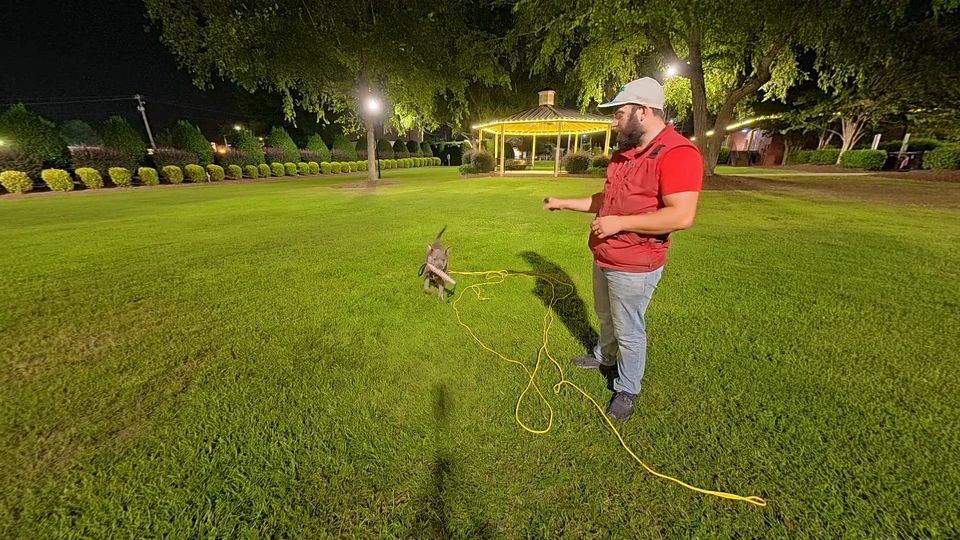
Rocko · Outdoor tug session
What keeps this dog in the game?
Loads the original session from YouTube. Playback stays under your control.Your observation guide
Start with engagement.
Read the session context
What this experience shows
A moment has a context.
These are selected moments from Rocko and Kodak’s training and family conversations. A response in one session is an observation—not proof of reliability in every setting. The home example is the owner’s account, not footage of the reported interaction.
This is a guide to watching our work. It is not an individualized training plan.
Continue exploring
Follow your question.
Go deeper into the footage with Field Notes, learn how owner lessons fit into Board & Train, or talk with us about your own dog.
PUT THE FOOTAGE TO WORK
Learn with a purpose.
Two dogs · One clear record
How to follow a training session with two dogs
A practical Angier K9 Academy guide to identifying each dog, following the handler and keeping observations separate in a shared session.
Observation · Context · Progress
How to compare two dog-training moments fairly
Compare setting, handler, task and assistance before describing progress. A source-linked Angier K9 Academy observation guide.
Owner learning · A usable next step
What to record during your dog’s owner lesson
Keep the exercise, coaching and next step together; explain it back and practise with feedback.
Family voices · Clear context
How to learn from a dog-training family story
Follow family voices, filmed practice and original sources without confusing one family’s account with a prediction for another dog.
Timing · Communication · Closer observation
Watch the handler, too: timing changes the picture
Follow handler timing and distinguish a heel entry from keeping position through movement.
Free tool · Source-linked notes
Session observation notebook: what happened first?
A free Angier K9 observation tool for recording a source, timestamp, words, handler movement and dog response. Review, print or download your notes.
Learning guide · Practice across settings
From a familiar yard to a busy aisle: what changes?
Follow Finn and Pepper into the questions behind practice in new places: space, smells, other people, assistance and the request itself.
Learning guide · Engagement & play
Play and participation: find the game worth joining
Follow a complete round of play: Kodak between throws and Rocko’s chase, possession and continuation.
Learning guide · Position, settling & release
Holding a position while the room keeps moving
Follow position, settling, surrounding movement and the ending as distinct parts of a lesson.
Learning guide · People & generalisation
When the handler changes: follow the whole handover
Watch Pepper’s store handover and examine which conditions stay the same when another person gives the requests. Includes owner-lesson questions.
Interactive tool · Two moments, one useful question
Two-moment workbench: compare what actually changed
A free Angier K9 tool to compare two source-linked training moments, keep conditions and responses separate, and prepare a useful lesson question. Print or download your record.
Source observation · Before the Dog Moves
Anticipation or instruction? Watch what happens before the response
Follow Pepper and Rocko in two original Angier K9 sessions. Separate the handler’s routine, spoken request, visible help and response before deciding what a training moment shows.
Home practice · Shadow’s go-home lesson
Same cue, new bed: make home practice clear
Follow Shadow’s home-bed lesson and learn which surface, boundary, help and release questions to clarify with your trainer before practice at home.
Owner lessons · Home routines
After the walk: agree on the next moment
Use Pepper’s owner lesson to prepare a specific home-arrival question, clarify the setting and keep the trainer’s setup, assistance and return together.
Before your lesson · Training history
Describe what your dog already knows
Describe your dog’s existing skills with the cue, help and response, then download an ordinary-practice note for your lesson.
Before your lesson · Everyday difficulties
Describe a difficult moment with your dog
Bring a precise difficult-moment account and give confidence a named, observable reference.
Before your lesson · Household priorities
Choose a useful training priority for your household
Turn broad dog-training goals into a household conversation: identify the daily routine, the people involved, the response that matters and the question to clarify.
Household tool · Lesson instructions
A shared dog-training practice card for your household
Build a printable Angier K9 practice card from your lesson: cue, intended response, help, praise, release, household roles and the next question to clarify.
Household tool · Two dogs
Two-dog household routine map
Map each dog’s routine, responsible person and boundaries; distinguish coexistence from friendship.
Owner preparation · Filming guide
How to film a useful dog-training example
Record a clear home dog-training example with the dog, handler, cue, assistance and ending in view. Keep original audio and useful context without staging a problem.
Owner preparation · Reward profile
Build a reward profile for your owner lesson
Bring useful reward observations to your owner lesson. Record the situation, interest, response, help and ending, then save a six-question profile to discuss with your trainer.
Owner preparation · Board & Train
Prepare for your Angier K9 Board & Train handover
Prepare for an Angier K9 Board & Train handover: organize care records, feeding instructions, approved belongings and the questions to resolve with your administrator.
Household preparation · Multiple dogs
Prepare your household information for a multi-dog assessment
Prepare useful household information for a multi-dog consultation: individual histories, shared routines, handling roles, existing management and questions about the assessment setup.
Owner preparation · Downloadable record
Pre-arrival question record for your Angier K9 appointment
Build a personal pre-arrival question record: track outstanding arrangements, who will answer and what was actually confirmed. Review, download or print.
Observation guide · Assessment and uncertainty
How to read a trainer’s prediction in a dog-training recording
Separate a trainer’s prediction, visible observation, proposed plan and later check. Follow Kodak’s play assessment and Rocko and Kodak’s household conversation.
Owner lessons · Greetings · Observation guide
Read a home greeting
Use Shadow’s home lesson to describe jumping, contact, help and the next exchange separately. Turn a specific observation into a useful owner-lesson question.
Owner practice · Everyday routines · Downloadable planner
Use training in everyday life: a household routine planner
Plan one everyday routine from your trainer’s actual instructions. Keep cue, response, household roles, observed use and open questions together; review, download or print.
Watching the work · Handling & visible assistance
Notice the line, too
Learn to notice who holds the line, what changes in its visible shape and where the camera loses the action before interpreting a dog-training clip.
Interactive learning · Three original passages
Read a training moment: observation practice
Practise reading three Kodak and Shadow training passages. Separate a proposed plan, an unseen arrival and an assisted repetition, with source-linked feedback.
Choose a path · Guides, recordings & practical tools
Choose an Angier K9 Academy learning path
Choose five learning routes or six practical training topics connected to current Field Notes research.
Family observations · A useful training conversation
Bring different household observations together
Prepare for a dog-training conversation when family members see different responses: keep the person, dog, setting, preceding event and ending with each example.
Practical tool · A new caregiver
Make a clear dog-caregiver practice brief
Build a caregiver brief from confirmed Angier K9 lesson instructions: permitted routine, cues, assistance, ending, limits and the question to bring back to the team.
Owner learning · Session decisions
Choose a useful stopping point for practice
Use Kodak and Titan’s recorded session decisions to prepare a clear question about the target, breaks and ending agreed for your dog.
Owner learning · Attention and response
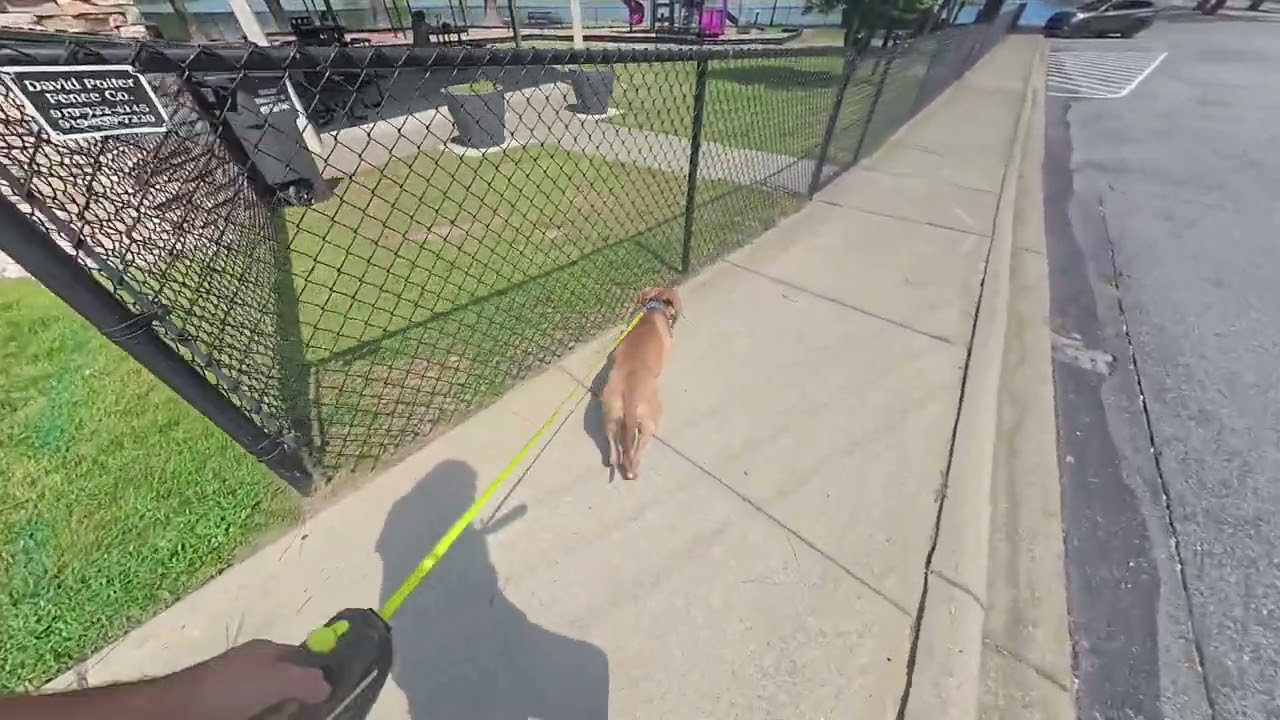
When attention stays on a distraction
Use Titan’s recorded interest-versus-fixation discussion to distinguish looking, the taught request and the response, then clarify your own lesson plan.
Owner learning · Patient coaching
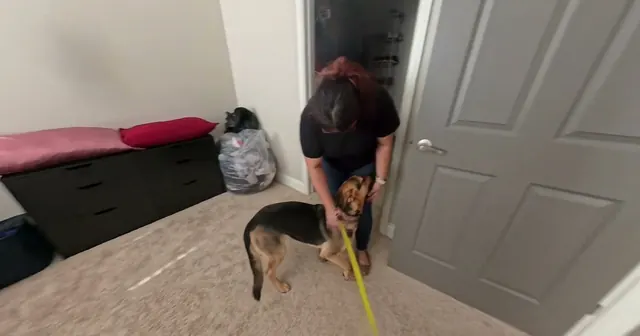
Patience for the people learning, too
Shadow’s family praises patient coaching; Stormi’s owner notices the release word. Explore the human side of learning with your dog at an owner lesson.
Everyday practice · Doorways and release
Before the door opens, agree on the routine
Clarify the position, support and release in a doorway routine, using Wrigley, Poseidon and Murphy’s recorded teaching.
Everyday life · Greeting choices
Choosing whether to greet
Use Apollo the Bully’s owner lesson to discuss greeting choices, a polite decline and the interaction your household wants help with.
Everyday practice · Exploring and returning
Leave room for exploring and returning
Use Deuce and Bo’s recorded teaching to distinguish exploring, chosen following, requested work and a useful return.
Owner learning · Support and the next step
Plan the next step in freedom
Follow Bo and Dolce’s recorded plans and adjustments, then clarify the next setting, support and task agreed for your own dog.
Learning sequence · Assistance and clarity
When help belongs in the lesson
Understand supported attempts, fading assistance and going back to clarify a task through Bo’s owner explanation and King’s staff lesson.
Everyday practice · Recall and arrival
Keep coming back worthwhile
Use Callie and Bo’s teaching to separate a slow approach, the person’s response at arrival, the agreed ending and an extra task.